
The offshore oil and gas production revolves around the Floating Production Storage and Offloading (FPSOs) concept. These gigantic ships ensure the process of filling, loading, storing, and unloading of hydrocarbons in one of the harshest environments in the world.
Due to their significance, the structural integrity of FPSOs is crucial to operational satisfaction, service, and durability. Inspections should be conducted not only to ensure legal compliance but also to work proactively and prevent costly downtime associated with premature failures.
What this blog offers is an in-depth explanation of what FPSO structural integrity inspection is all about, including inspection techniques, typical defects, standards, and guidelines on inspection, and how best to ensure sea safety.
Understanding FPSO Structural Integrity Inspection
The process of checking the physical condition of an FPSO to hopefully perform in a safe manner the intended purposes of the facility is known as structural integrity inspection.
The primary objectives include:
- Determining and evaluating structural vulnerabilities.
- Health Control of environmental or operational-induced failures.
- Achieving the regulations and classification society requirements of the industry.
Key factors that impact FPSO integrity include:
- Adverse conditions in the offshore environment, like waves, wind, and saltwater.
- During the processing and storage of hydrocarbons, the heavy operational loads.
- Technical wear out of infrastructure and rust.
The risks, in the absence of well-established inspection programs, have the ability to degenerate into extreme safety hazards and financial losses.
Common Inspection Techniques and Technologies
In modern FPSOs, the inspections are carried out by creating the synergy of traditional and progressive technologies to guarantee complete evaluations.
- Visual Inspection: The assembled form of the first-line competence of researching visible cracks, corrosion, or deformation.
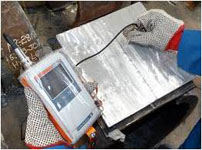
- Non-Destructive Testing (NDT): In ultrasonic testing and magnetic particle testing, the technique is carried out in such a way that concealed defects, although not destroyed, are still detected.
- Remote Monitoring Systems: Real-time sensors and data collection devices monitor the performance of structures and forecast the possibility of failure.
Via integration of these methods, operators can have a comprehensive view of asset integrity to make more informed decisions pertaining to maintenance and repair purposes.
Key Structural Anomalies and Defects
During FPSO inspections, common structural issues include:
- Corrosion and Erosion: Catalyzed by the seawater and hard chemicals.
- Fatigue Cracks: This is brought about by repetitive stress cycles that occur in operations.
- Weld Defects: The weaknesses that diminish structural strength.
- Structural Deformation: A buckling or warping that occurs as a result of excessive loads or impacts.
It is of great importance to detect these anomalies in the earliest stage possible to avoid the occurrence of long-term damages, and safe operations, and increase the lifespan of the asset.
Regulatory Compliance and Industry Standards
The FPSO inspection is managed under the rules of strict regulations and classification societies. These guidelines provide the safety and dependability standards in offshore activities.
Along with ensuring the prevention of legal and financial punishments and accompanying it with operational efficiency and offshore safety, the requirement of compliance also supports operating efficiency and offshore safety.
Best Practices and Recommendations
To ensure successful FPSO structural integrity inspection, the companies ought to:
- Develop a holistic inspection program of the lifecycle of the vessel.
- Create periodic checks and preventative care on important and weak structural elements.
- Use seasoned inspection experts and service providers to help provide accurate outcomes and usable information.
The practices will help the operators mitigate risks and enhance the life of FPSOs and limit unplanned downtime.
Case Studies and Success Stories
The field evidence is always clear that advanced FPSO inspections are cost-effective and accident-avoidable. The early ability to detect anomalies like corrosion or fatigue cracks has helped operators to implement corrective measures before failure, allowing continuous production without jeopardizing the safety of the crew.
Additional Resources
Articles devoted to discussing the subject related to FPSO structural integrity inspections in more detail can be very useful to the reader, and these include:
- Industry offshore structural inspection guidelines.
- Articles on asset integrity management and the application of NDT.
- Classification societies provide best practice frameworks, as well as professional organizations.
A-Star Testing & Inspection (S) Pte Ltd can provide professional support and customised solutions with inspections.
Conclusion
FPSOs play a key role in offshore Oil and gas operations, but they need strong structural integrity inspections. It is possible to protect lives because operators can identify weaknesses, utilize superior means of inspection, and meet industry standards to protect the property.
The core factor to a possible offshore operation that cannot be doubted is spotlessness on inspection.
Contact A-Star Testing & Inspection (S) Pte Ltd
- Website: www.astartesting.com.sg
- Address: No.5 Soon Lee Street, #03-36/37, Pioneer Point, Singapore 627607
- Phone (WhatsApp/Call): +65 9183 5901 / +65 6950 8325
- Email: enquiry@astartesting.com.sg